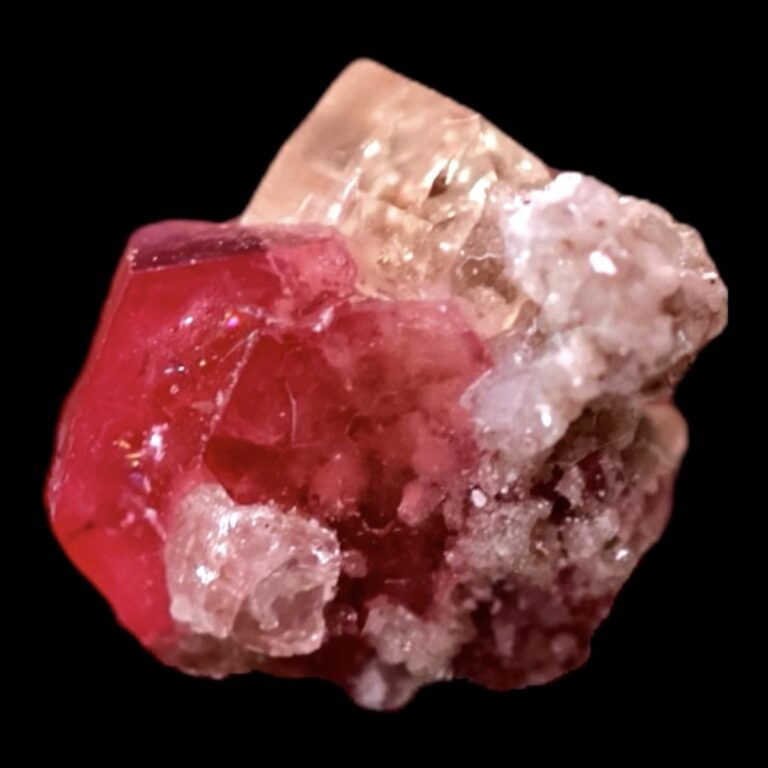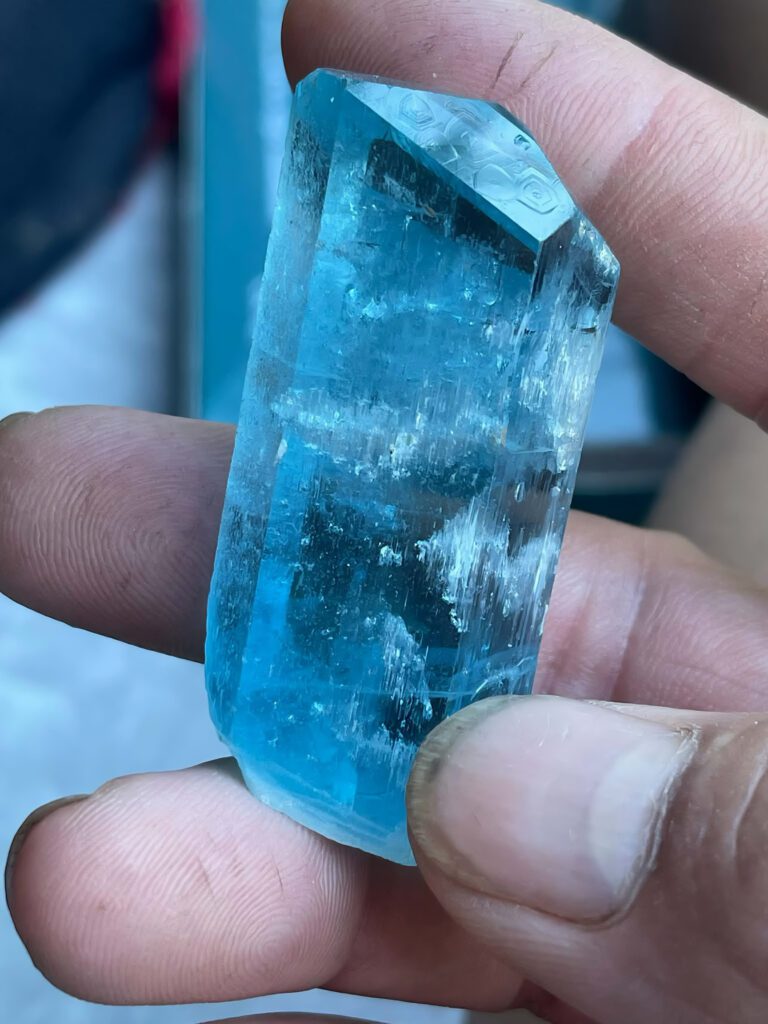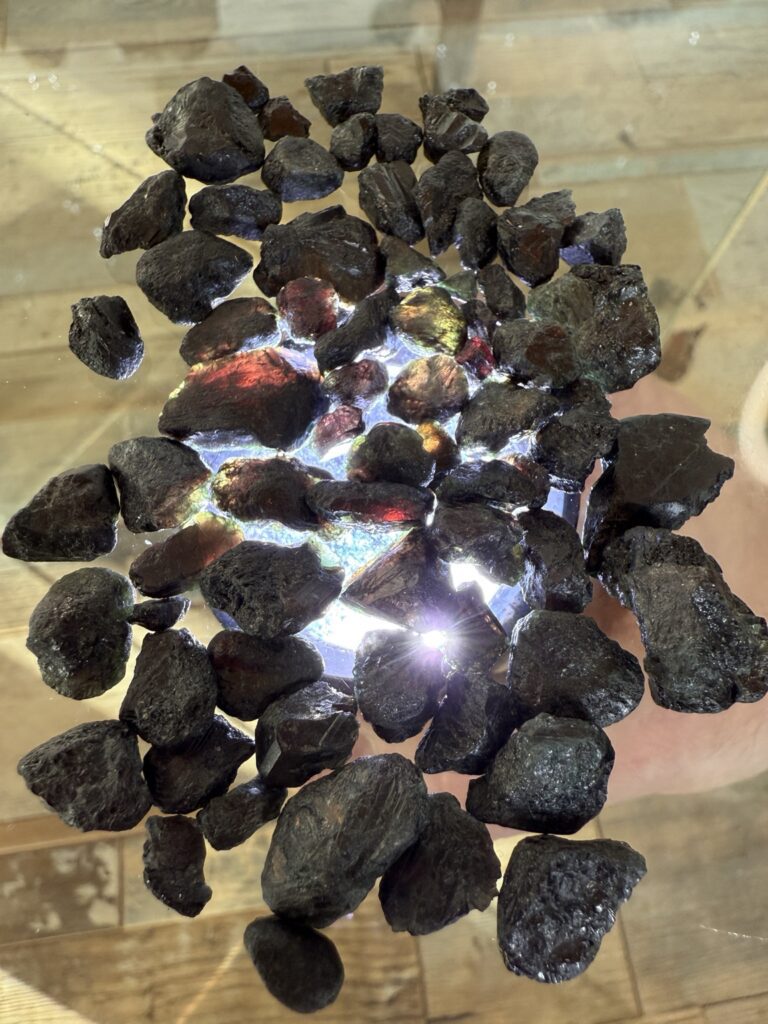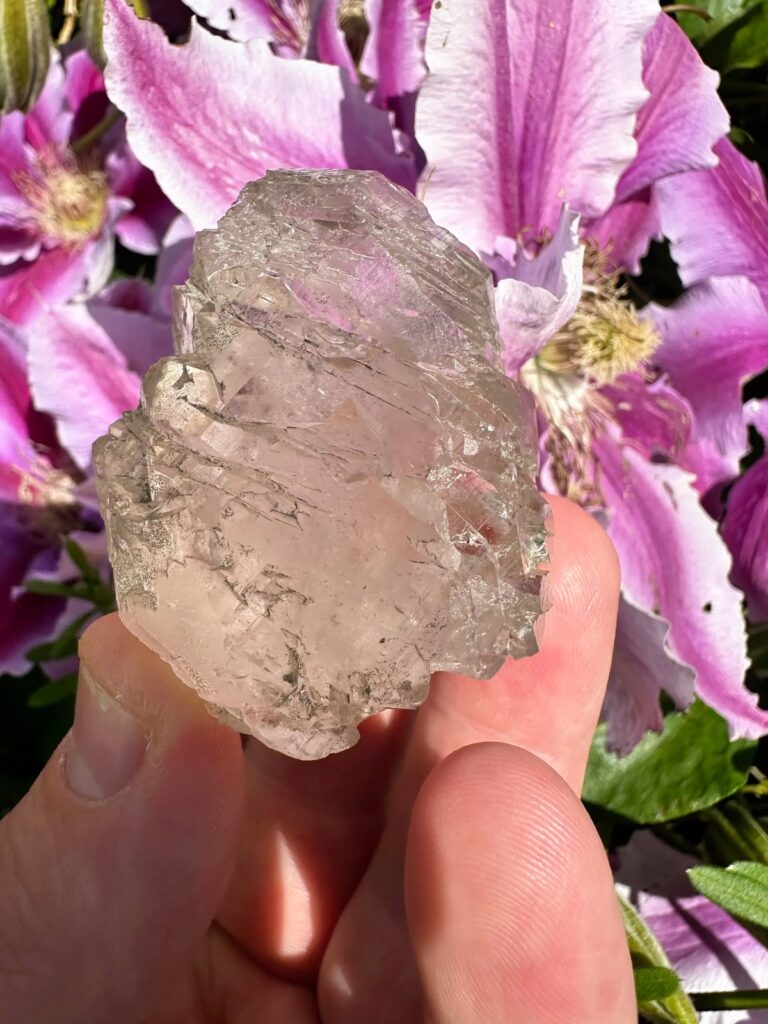
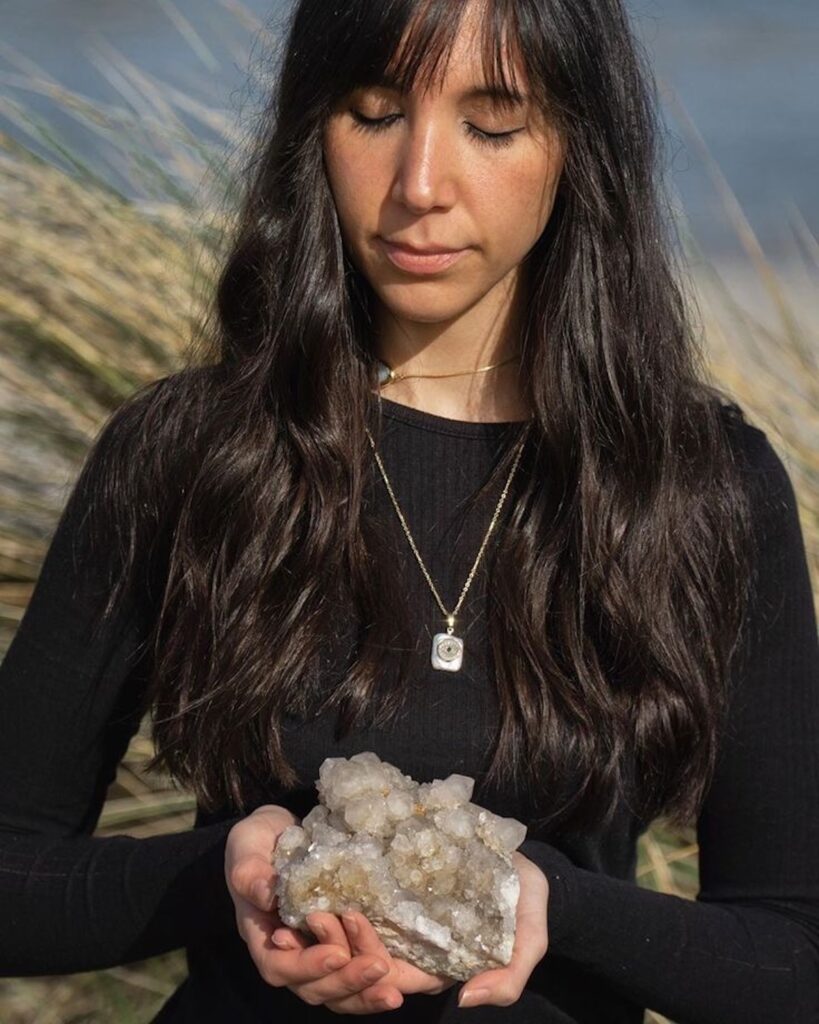
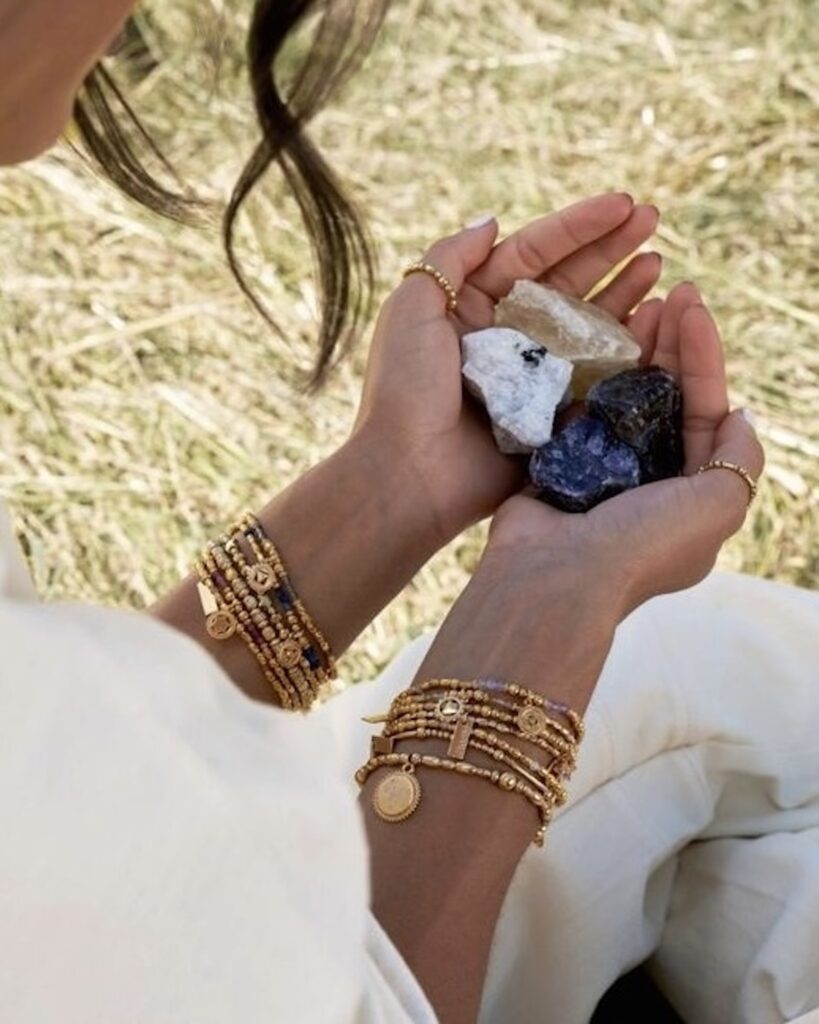
Sometimes she chooses the crystal before she knows what it is
There is something I have noticed at mineral shows that I still cannot properly explain.
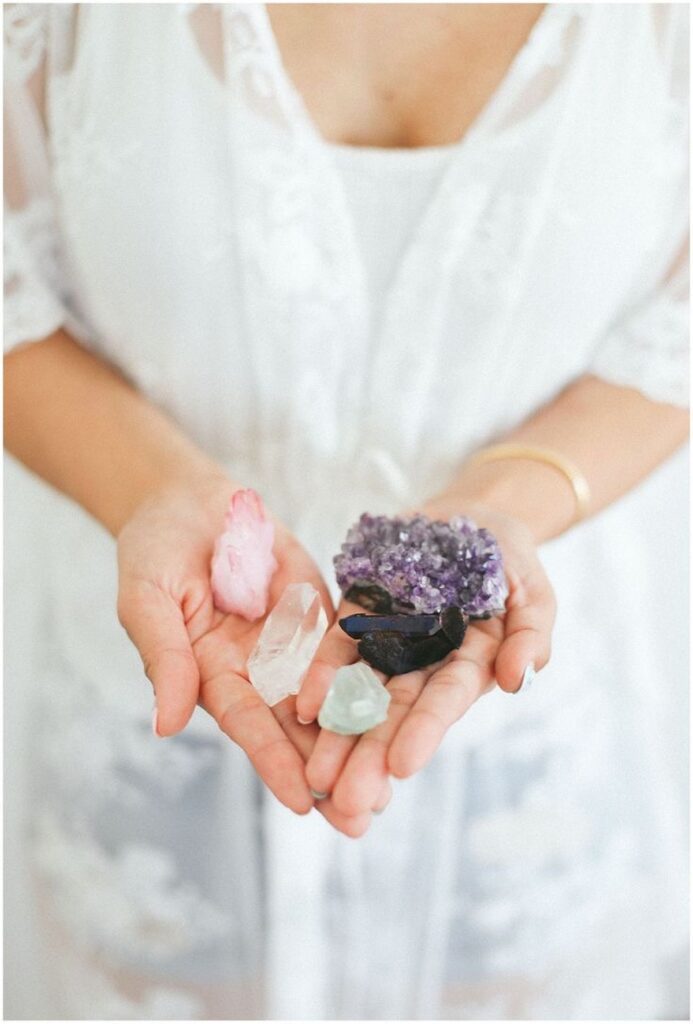
A woman will walk over to the table, glance across dozens of crystals and stop almost immediately. She reaches for one, turns it over quietly in her hand and, after only a few seconds, says something like, “I think it’s this one.”
At that point she often has no idea what it is.
She does not know its name, where it came from or how it formed. She has not heard me explain the geology or tell the story behind it.
She simply knows she wants that one.
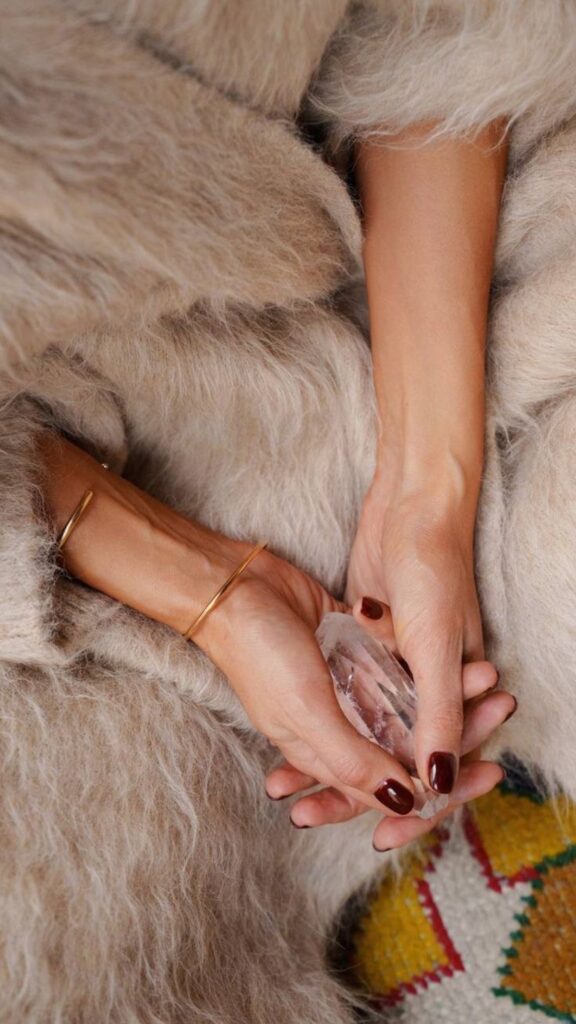
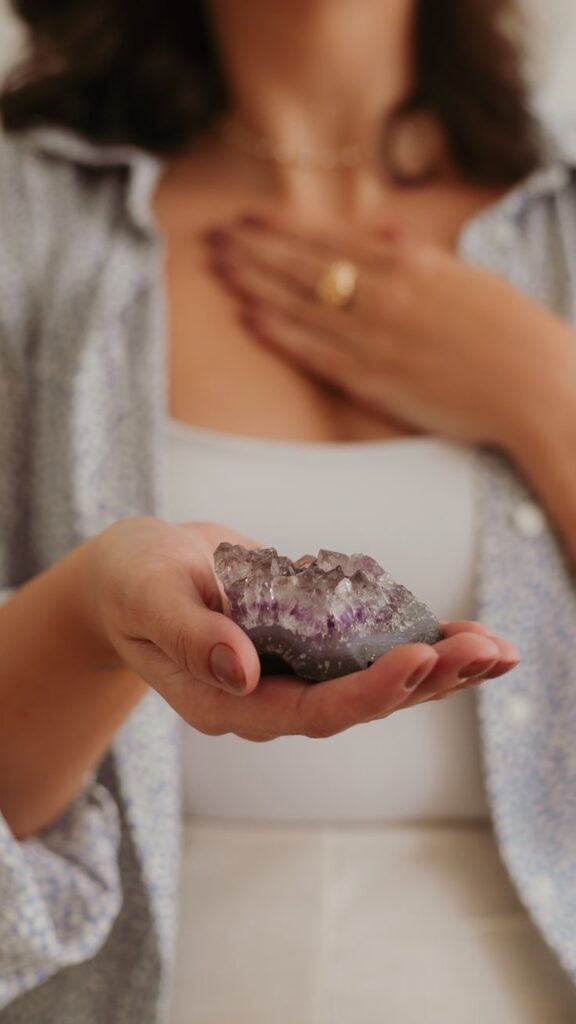
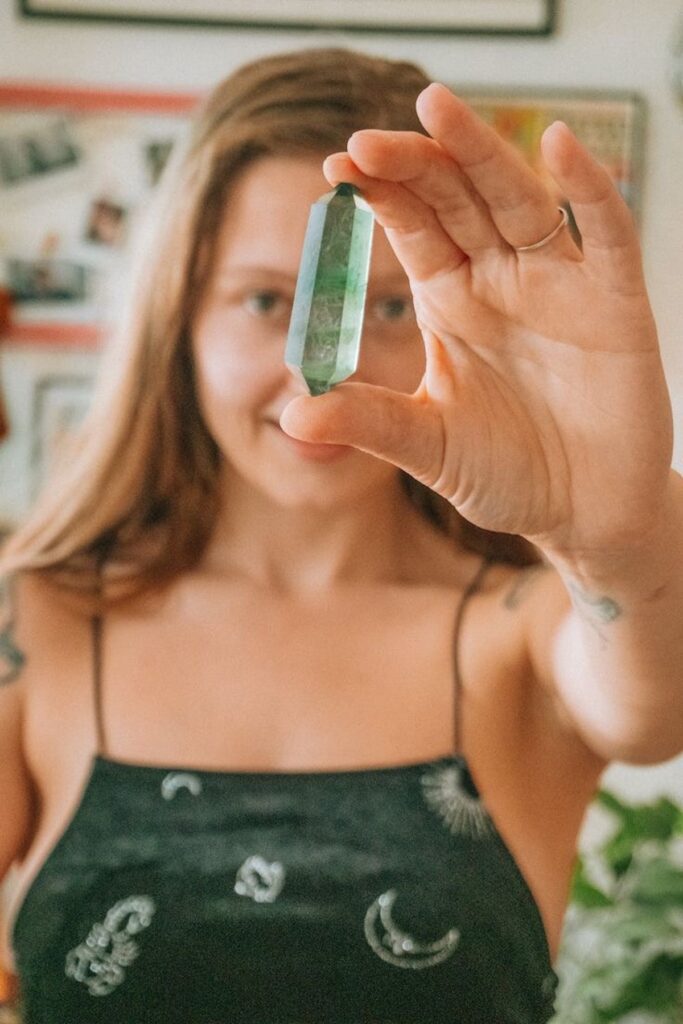
I have watched that happen often enough that I have stopped dismissing it as coincidence.
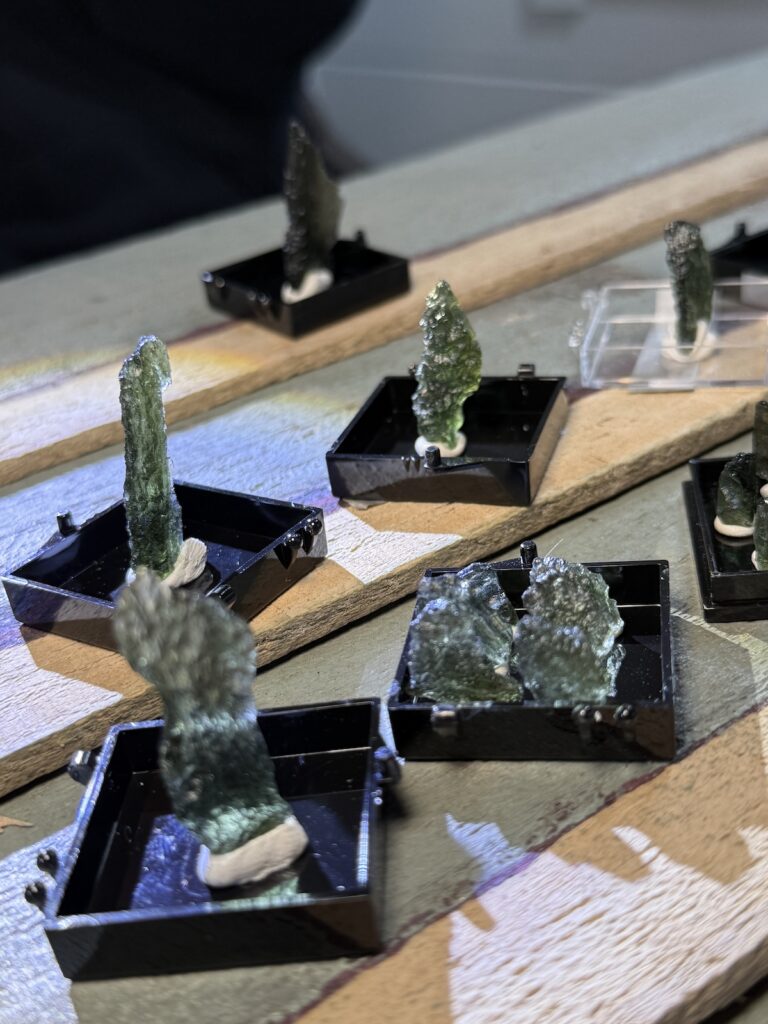
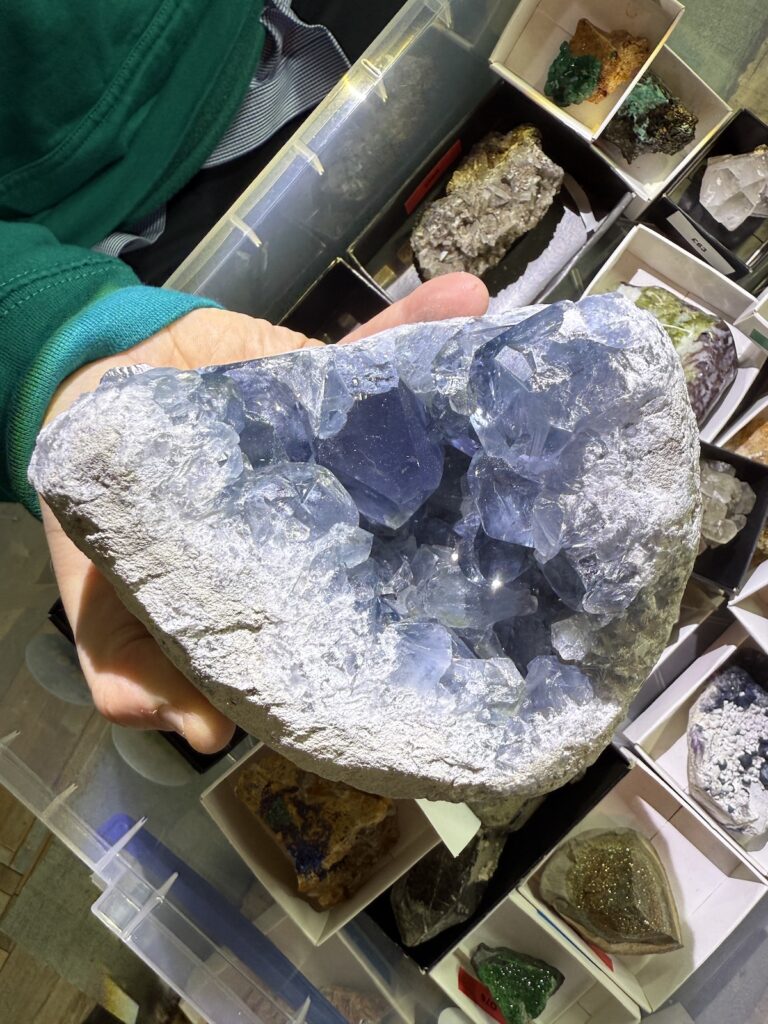
One of the things I enjoy most about running Rare Minerals Earth is watching people choose minerals. You begin to notice patterns. Some collectors move methodically across a table, comparing crystal form, locality, condition and rarity before making a decision. Others ask questions for twenty minutes before picking anything up.
Then there are the people who seem to decide first and explain their decision afterwards.
Men do this as well. I have seen plenty of male customers become completely drawn to a particular specimen within moments of seeing it. But I notice it much less often. With women, it seems to happen again and again. After hundreds of conversations, it has become difficult for me to ignore.
I have lost count of the number of times somebody has picked up a specimen, held it quietly for a few moments and looked at me with an almost apologetic smile.
“I don’t know why,” they say. “I just can’t put this one back.”
I always smile when I hear that, because I honestly do not know why either.
From a geological point of view, I can usually explain almost everything about the crystal itself. I can tell you how it formed, which trace elements produced its colour, why one locality creates sharper crystals than another or why a specimen developed the shape it did millions of years ago.
Those explanations are part of what fascinates me.
But they rarely explain why one person reaches straight for one crystal while barely noticing everything else on the table.
That part seems to happen before any of the facts arrive.
Perhaps it is simply the way our brains work. Human beings make thousands of decisions without consciously analysing every reason behind them. Colour, symmetry, texture and proportion all influence us long before we begin putting those feelings into words. We recognise faces before we understand why they look familiar, and we sometimes know we trust somebody within moments of meeting them.
Or perhaps there is something else happening that we do not yet understand.
Over the past couple of years I have met many people who believe crystals carry energy. Some describe feeling warmth in one specimen but not another. Others talk about calm, familiarity or an almost immediate sense that a crystal belongs with them.
I cannot measure any of those things, and I cannot prove them. But I have heard those experiences too many times from thoughtful, ordinary people to dismiss them as silly. That does not suddenly make them scientific. It simply means I think it is worth listening when somebody describes something they have genuinely experienced.
I sometimes think the conversation between science and spirituality becomes more confrontational than it needs to be.
Science has taught us extraordinary things about crystals. We understand crystal systems, trace elements, hydrothermal fluids, tectonic plates and the chemistry responsible for colours that once seemed almost magical. Learning those things has only increased my sense of wonder. It has never reduced it.
At the same time, people treasured crystals long before they understood any of that. Before anyone knew about beryllium in emerald, radiation defects in fluorite or the atomic structure of halite, minerals were carried as keepsakes, buried with loved ones, traded across continents and believed to hold meaning beyond their appearance.
Those beliefs are part of human history whether we share them or not.
I find that just as interesting.
Running Rare Minerals Earth has probably made me more open-minded than it has made me more certain. The more I learn about geology, the more aware I become of how much I still do not understand. The same applies to people.
Sometimes somebody chooses a crystal because they love the colour. Sometimes it reminds them of somewhere they have been, or they collect that particular mineral. Sometimes they simply say it feels right. I am comfortable not knowing which explanation applies.
What has changed is that I no longer assume the explanation always comes first. Sometimes the choice is made before the person has found the words for it.
That has changed the way I choose minerals myself. There are specimens I could justify buying because of their locality, rarity or crystal quality, and then there are others that simply refuse to leave my mind. I find myself picking them up several times, turning them beneath the light, walking away and then coming back again. Eventually I stop trying to justify it. They are coming home with me.
A collector might call that experience. A psychologist might describe it as subconscious pattern recognition. Somebody interested in crystal healing might call it energy. I do not think those explanations necessarily have to compete with one another.
What fascinates me most is not which explanation is correct. It is that human beings seem capable of recognising significance before they can explain it.
We do it with music that somehow moves us to tears. With paintings that stop us in our tracks. With places that instantly feel familiar. Sometimes even with people we have only just met.
Perhaps crystals are simply where that strange human instinct becomes visible.
After all, they are simply pieces of the Earth. They have no intention, no awareness and no desire to be found.
Yet every year I watch somebody pick up one crystal from dozens on a table and quietly say, “This one’s coming home with me.”
Whether they call that instinct, memory, energy or something else entirely almost becomes secondary.
What stays with me is the reminder that, for all our scientific understanding and all the knowledge we have accumulated about the natural world, human beings are still wonderfully difficult to explain.
I think there is something rather beautiful about that.