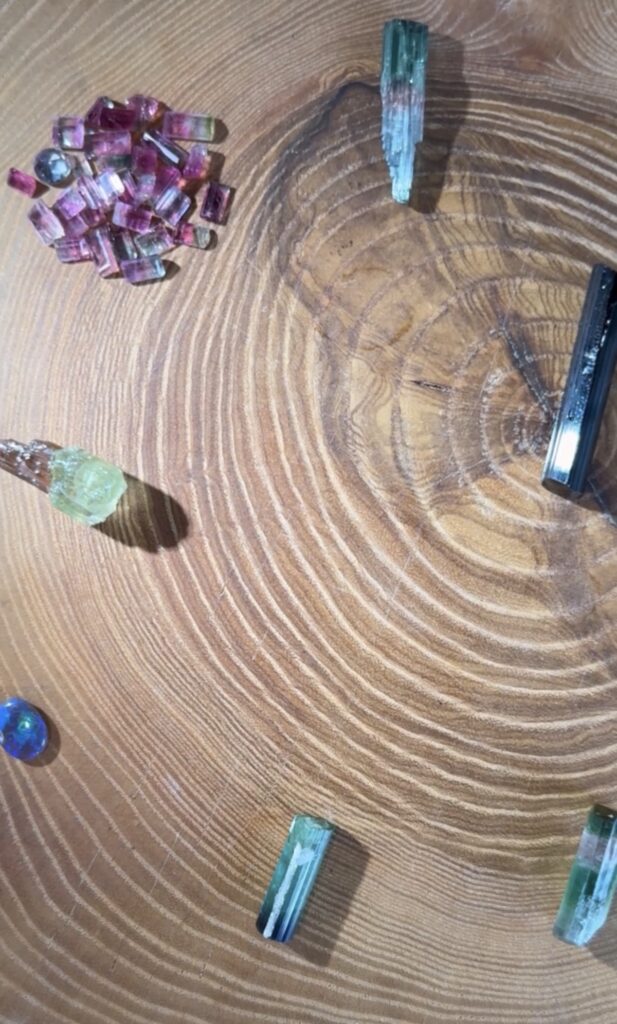
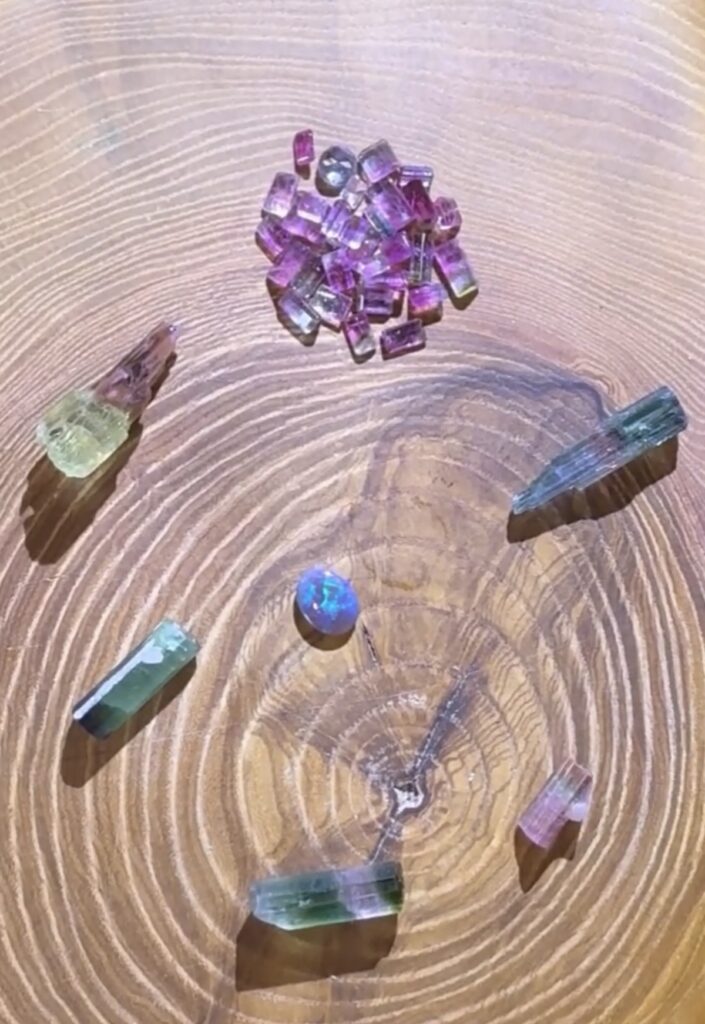
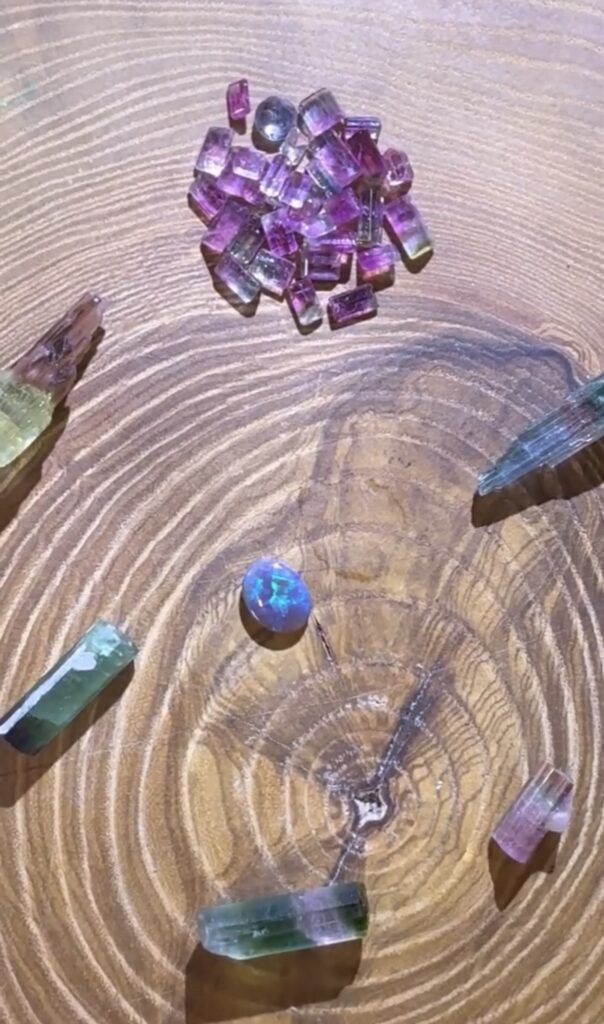
October has two birthstones, and both are slightly ridiculous.
I have never paid much attention to birthstones.
I understand why people like having a mineral linked to their birth month, but I have always been more interested in the specimen itself. Where it came from, how it formed and why it looks the way it does.
Then I started reading properly about October.
October has two recognised birthstones, opal and tourmaline. The pairing is the unusual bit.
One can contain a surprising amount of water and produce moving flashes of colour. The other can develop an electrical charge when it is heated or put under pressure.
And both of them came out of the ground.
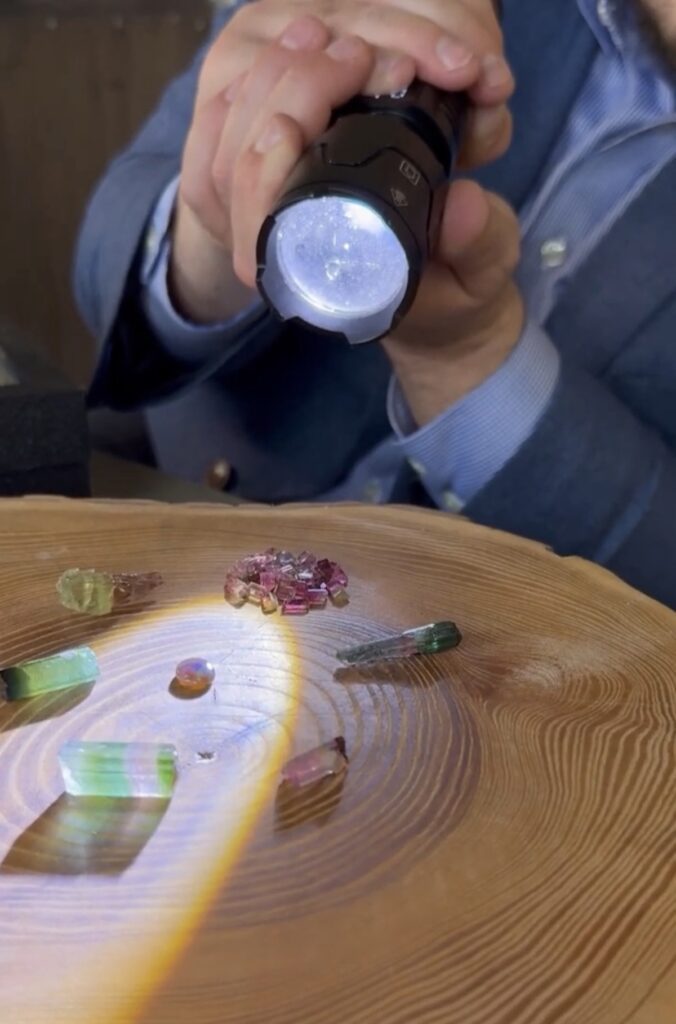
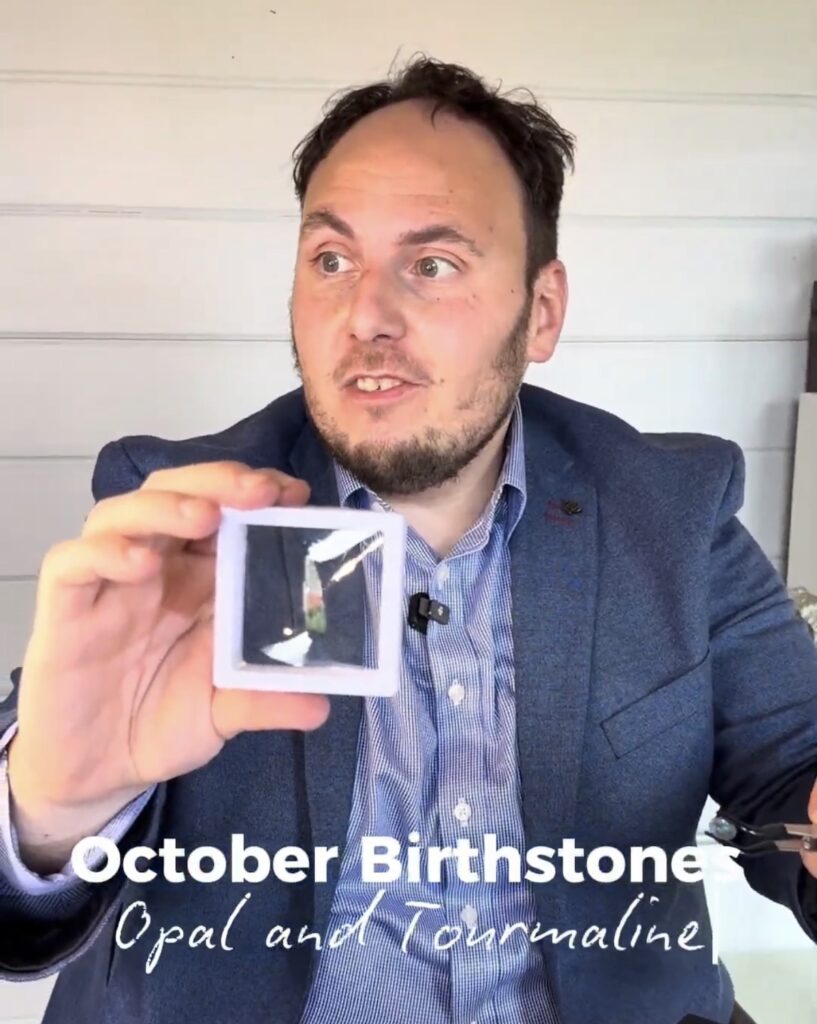
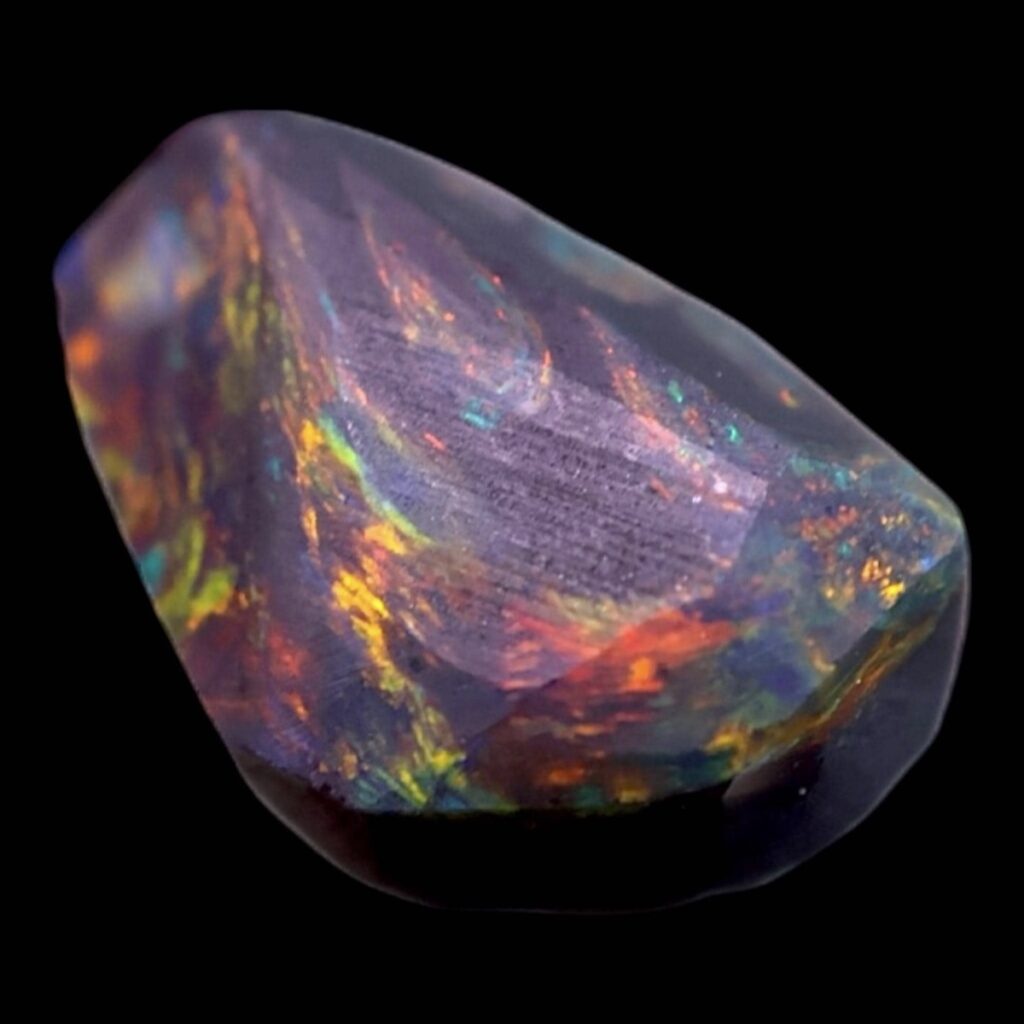
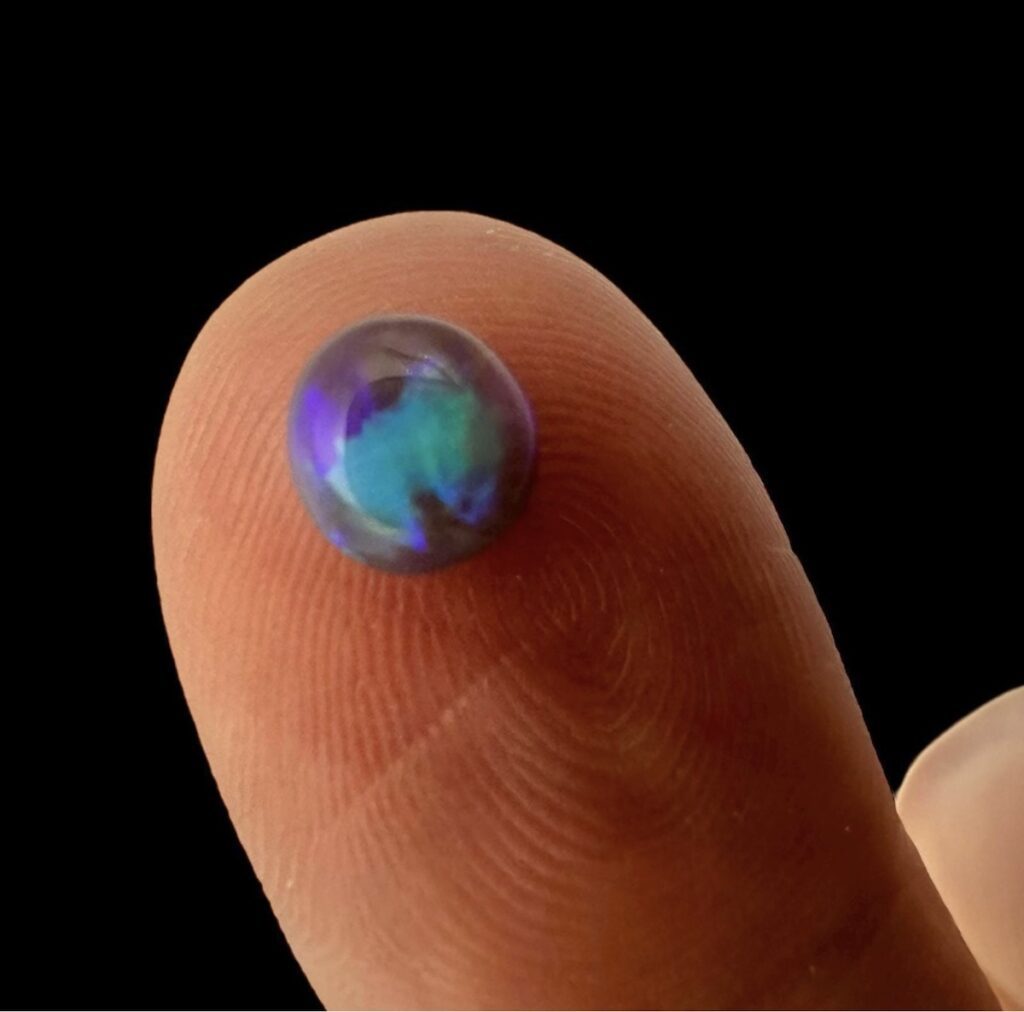
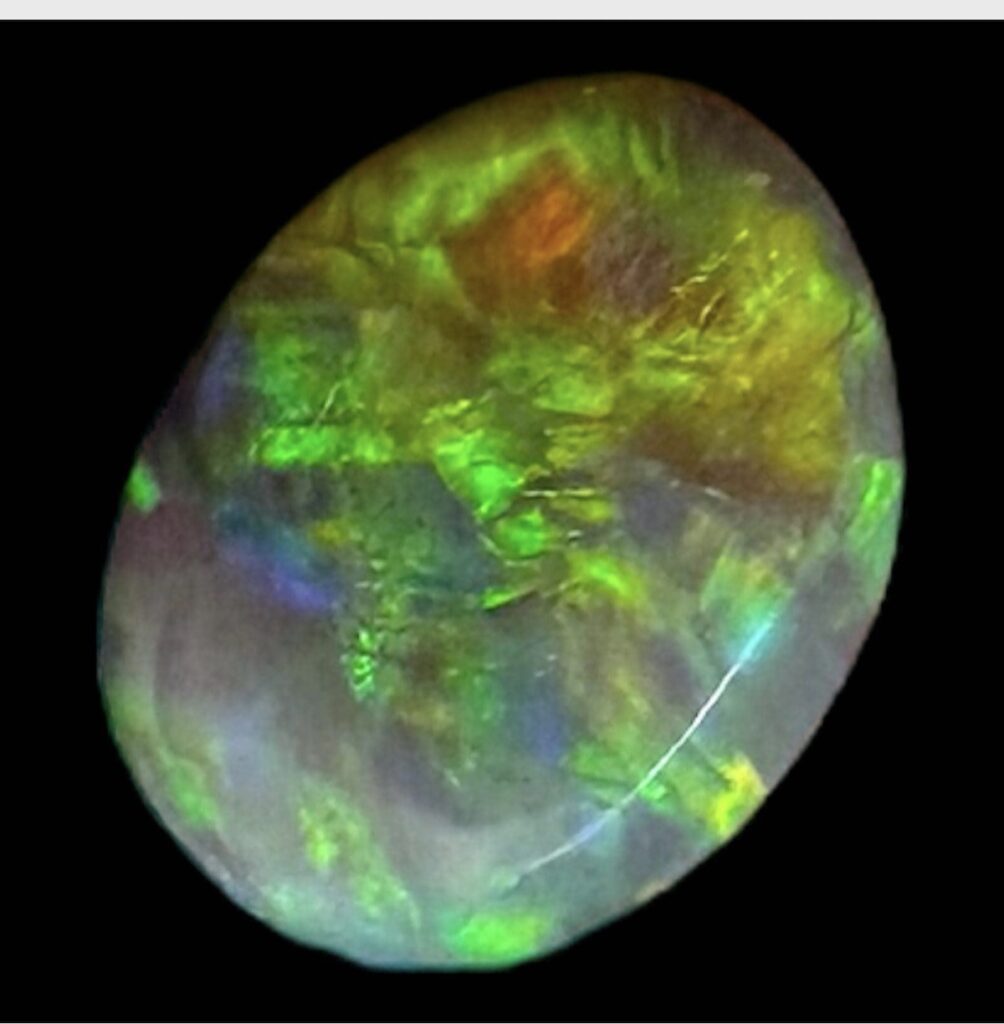
Let’s start with opal.
Precious opal is one of those materials that can make photographs look disappointing. You move it slightly in your hand and suddenly there is a flash of red or green that was not visible a second ago. Move it again and it disappears.
Anyone who has tried filming good opal will know exactly what I mean. It can look incredible in front of you and then almost lifeless through the camera.
The colour is not fixed inside it like a coloured inclusion. What you see depends on the angle of the opal, the light and your own position.
In precious opal, submicroscopic silica spheres sit in a regular, grid-like arrangement. Light diffracts as it travels through that structure, producing colours that appear and disappear as the viewing angle changes.
The spheres are far too small to see individually, but together they create the play-of-colour precious opal is known for.
Not all opal does this. Common opal can still be beautiful, but it does not have the same ordered internal arrangement needed to split visible light into those moving colours.
Millions of microscopic spheres line up inside a natural material, and the result looks like a rainbow moving under the surface.
Opal is not a crystal in the usual mineralogical sense. It is hydrated silica and can be amorphous or poorly crystalline, rather than having the long-range repeating structure found in minerals such as quartz or tourmaline. Some opal can contain up to around twenty per cent water, although the amount varies.
High heat, sudden temperature changes or drying out can cause some opal to craze or fracture. It formed with water inside it and can still react to the conditions around it after leaving the ground.
Before anyone understood diffraction, people had to explain those colours somehow.
The Romans admired opal because it seemed to contain the colours of several valuable stones at once. There are also old stories of opals falling from the sky during thunderstorms and carrying lightning inside them.
Show someone an opal before they understand what light is doing inside it, and “a storm left this behind” probably sounds fairly reasonable.
Its reputation for bad luck came much later and seems to owe a lot to nineteenth-century storytelling. Walter Scott’s novel Anne of Geierstein helped turn opal into something ominous, and the idea stuck.
Imagine producing moving colour and then getting a bad reputation because of a book.
Opal still has a strong spiritual following. Some people associate it with intuition, emotion and change. I would not claim that the mineral causes any of those things, but the symbolism seems partly connected to its shifting appearance. An opal can reveal colours that were invisible a moment earlier, then lose them again as soon as the angle changes.
Tourmaline is no calmer.
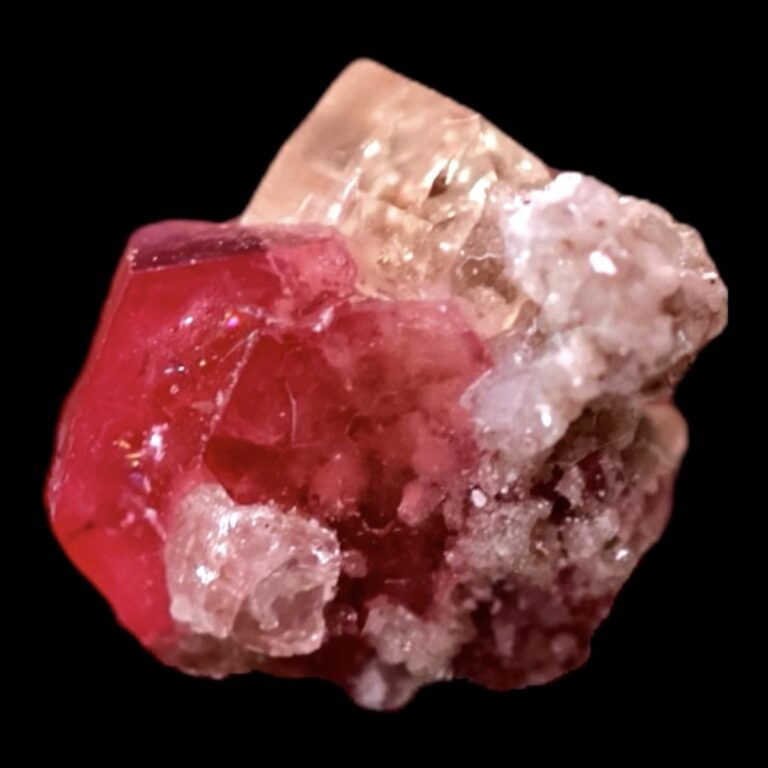
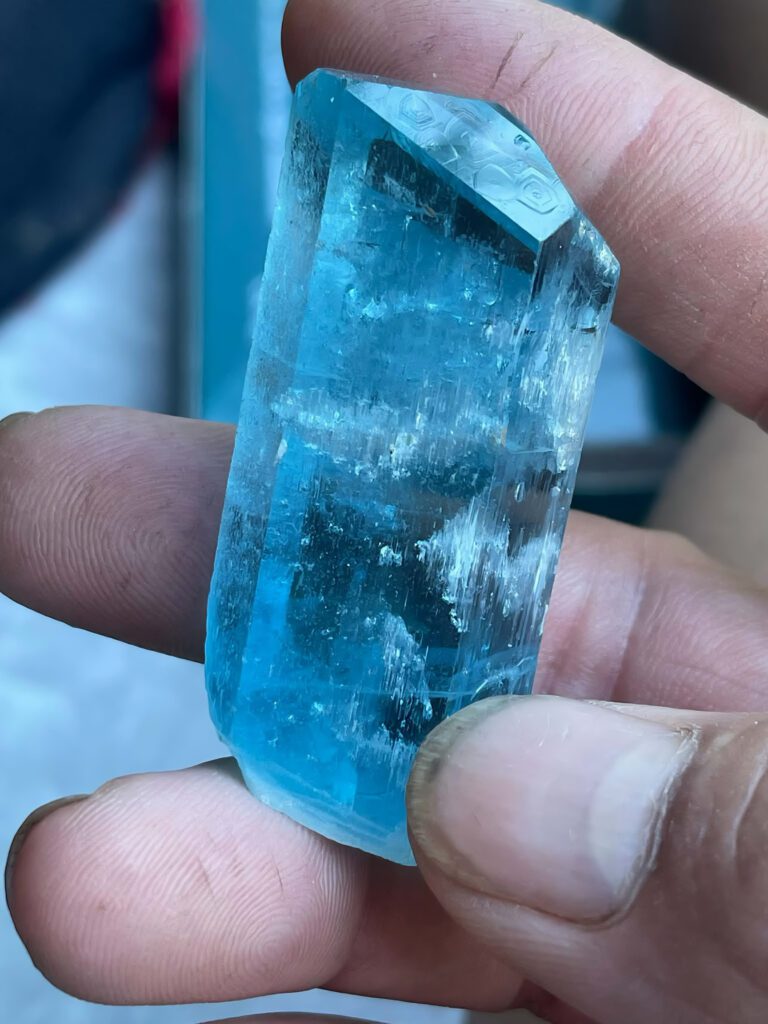
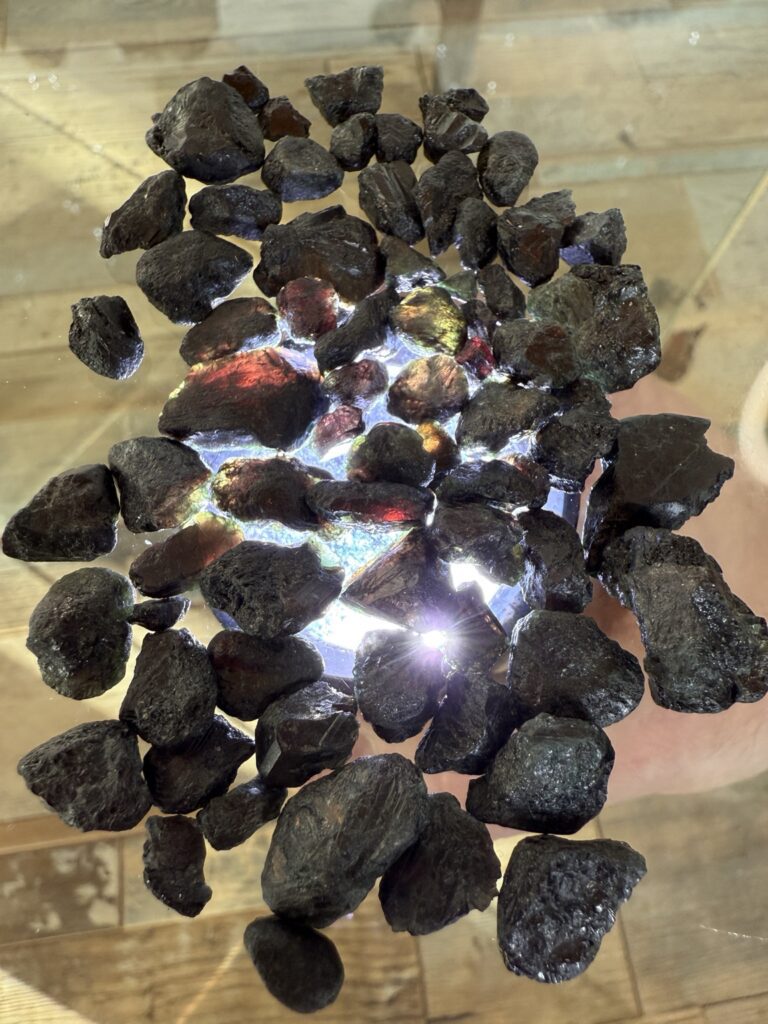
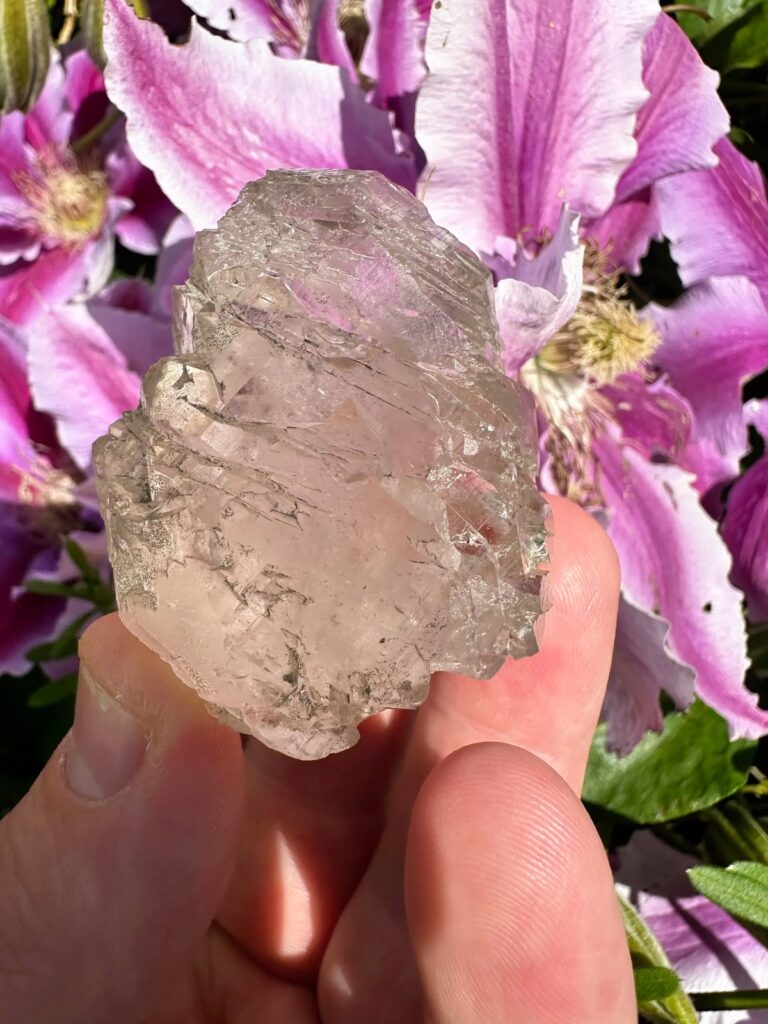
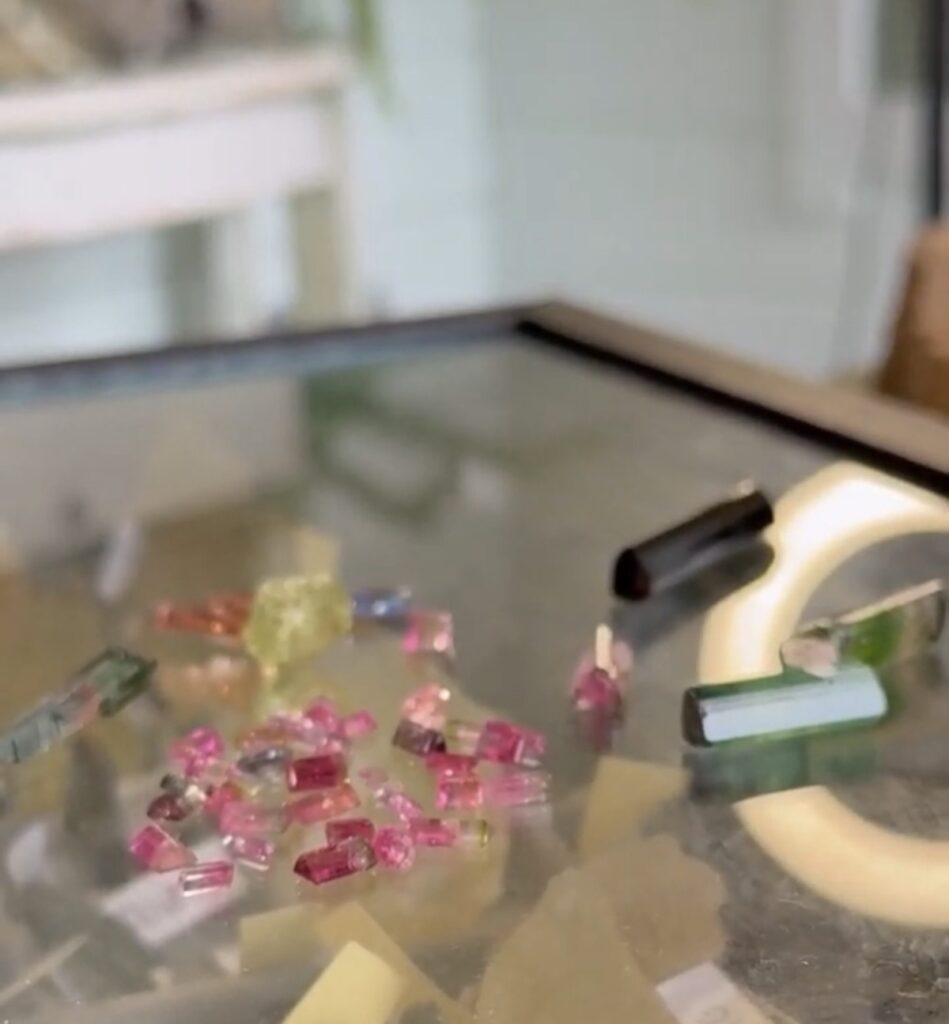
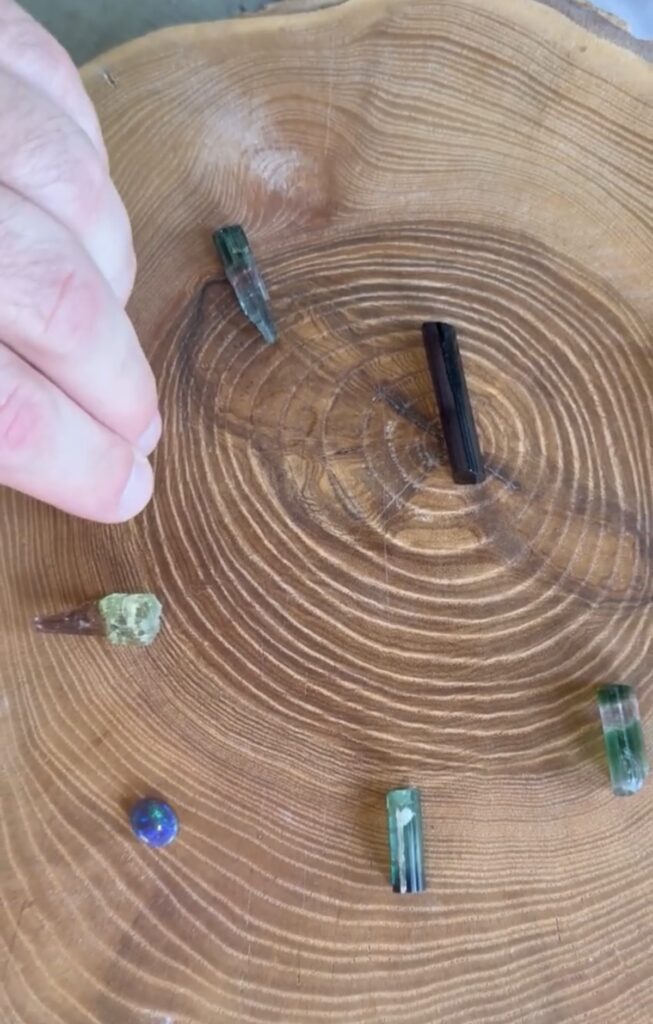
It can form in black, green, pink, red, blue, yellow and almost everything in between. Sometimes several colours appear in the same crystal.
Collectors call it colour zoning. The bands record changes in the chemistry around the crystal as it grew. One specimen might move from green into pink, while another has a dark outer layer around a completely different centre.
You are looking at a physical record of what was happening around the crystal while it formed.
Natural tourmaline crystals can also be deeply striated, with lines running along their length. They often grow as long prisms with sharp terminations, which is quite different from the polished slices and jewellery most people first associate with tourmaline.
Then you learn about the electricity.
Tourmaline is pyroelectric, which means a change in temperature can cause opposite electrical charges to develop at different ends of the crystal. It is also piezoelectric, so pressure can create a measurable electrical response.
Not enough to run anything exciting.
You are not going to power your house with a tourmaline crystal, which is unfortunate given the price of electricity.
But the effect is real. Warm a tourmaline crystal and it can attract dust or tiny particles because of the charge that develops across it. Put it under pressure and its internal structure responds electrically.
In modern crystal circles, different colours of tourmaline have gathered their own meanings too. Black tourmaline is often kept for grounding or protection, while pink and green varieties are linked with emotional balance and the heart.
Those are spiritual beliefs rather than scientific conclusions. Tourmaline’s electrical response is a separate physical property, although it does make the mineral behave in a way most people would never expect from a crystal.
Some people choose birthstones because they feel a spiritual connection with them. Others like the history, the colour or simply having something from the Earth linked to their birthday. I do not think one explanation needs to cancel out the others.
I still think birthstones are a slightly odd idea, but I understand why people like them. A birthday disappears as soon as it has happened. Linking it to a mineral gives people something they can actually keep.
I started looking into this thinking October had simply been given two colourful birthstones.
It had not.
One is made from silica and water and can split light into colour that moves as you turn it. The other can pick up an electrical charge through changes in temperature or pressure.
Which is a fairly ridiculous choice to have to make.
Opal or tourmaline?